

Netherlands Embassy Launches KSh 150 Million Private Sector Development Facility to Minimize Regulatory and Administrative Trade Barriers
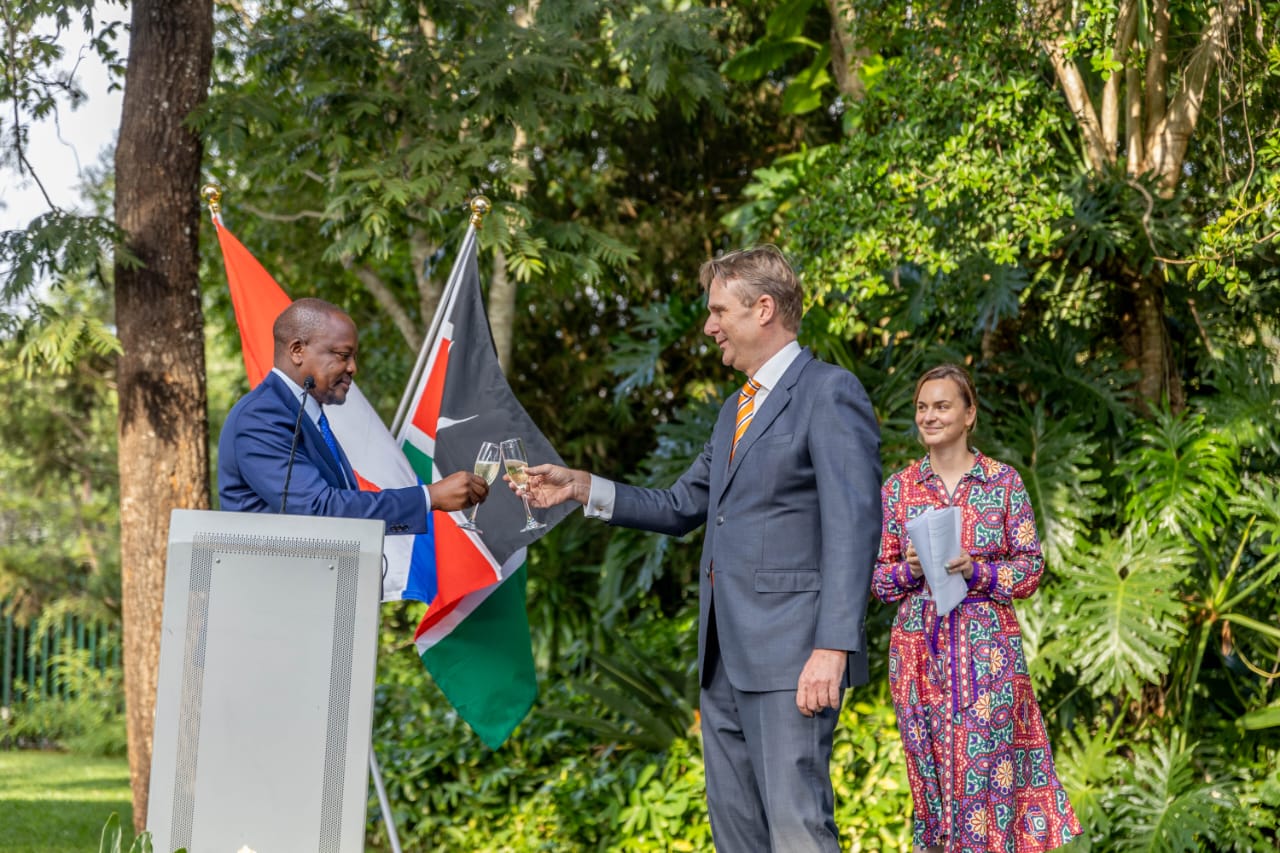
Advancing its multi-year bilateral economic strategy to scale up foreign direct investment and ease market entry constraints, the Embassy of the Kingdom of the Netherlands in Nairobi has launched a KSh 150 million (1 million Euro) business enhancement facility.
The competitive funding call invites comprehensive concept notes from specialized consortia, private sector coalitions, and market regulators designed to systematically lower the regulatory and administrative overheads of doing business in Kenya. Operating under a maximum three-year execution window, the strategic fund targets the removal of structural bottlenecks that stifle small and medium enterprise competitiveness while expanding reciprocal market integration between Dutch investors and local trade ecosystems. By offering large-scale grant backing to clean up administrative red tape, the diplomatic mission shifts its intervention model from traditional aid programs toward a modern, reciprocal trade framework that strengthens Nairobi's position as a secure commercial gateway.
The rollout of the KSh 150 million private sector development fund transitions Dutch-Kenyan economic cooperation away from basic development aid toward long-term institutional capacity building and market optimization. As the Netherlands maintains its standing as one of Kenya's primary export destinations globally, resolving persistent regulatory friction within local corporate registries, licensing portals, and supply chain hubs protects mutual trade value and boosts investor confidence.
The underlying eligibility thresholds, operational focus zones, and strategic targets anchoring this European capital deployment focus on four primary areas:
Slashing Systemic Regulatory and Administrative Costs for Growing Enterprises: The primary objective of the funding window is to back initiatives that identify and remove redundant licensing, dual-taxation layers, and delayed compliance approvals across both county and national levels. Streamlining these entry friction points allows local and foreign enterprises to deploy capital productively without experiencing extensive setup delays.
Enhancing Market Integration and Trade Competitiveness for Local Small Businesses: To bridge the gap between small-scale Kenyan producers and international consumer markets, the facility finances projects that upgrade supply chain standards. The programmatic focus supports compliance training, product certification access, and digital market integrations to give local small and medium enterprises smoother entry into high-value European Union value chains.
Deploying Multi Year Consortium Frameworks to Guarantee Local Ownership: Adhering to strict threshold criteria, applications must be submitted by structured coalitions comprising a minimum of two and a maximum of four partner organizations. The guidelines mandate the absolute inclusion of at least one local Kenyan institution within the consortium, ensuring that institutional knowledge and platform adjustments remain firmly embedded within the domestic ecosystem.
Leveraging Historic Trade Bilaterals to Secure Stable Foreign Direct Investment: The business climate enhancement facility aligns directly with the newly enacted Multi-Annual Country Strategy for Kenya. By improving the domestic operational landscape, the state-backed initiative looks to protect the commercial investments of over 150 active Dutch corporations operating within the country while encouraging new equity flows into the energy, logistics, and maritime sectors.
Embassy trade attaches and private sector development advisors are currently receiving initial concept papers via their official digital portals, aiming to complete the preliminary screening phases before opening the high-volume second-stage proposal reviews in the third quarter.
Why this matters: For the national economy, this KSh 150 million business enhancement facility serves as an Accelerator for Investment Climate Reforms and an Indicator for Increased Export Capacity. Financing the systematic removal of bureaucratic red tape directly lowers the baseline cost of operations for local businesses, attracts premium foreign direct investment, and increases non-traditional agricultural and service export earnings to the European Union, supporting fiscal stability without expanding public debt portfolios.
For the strategist, the activation of this Dutch private sector fund represents the Sovereignty of Transparent Market Regimes and Mutual Economic Prosperity. It proves that building an unshakeable, 100-year institutional trade legacy requires a market to continuously refine its underlying regulatory frameworks—utilizing smart international partnerships and shared compliance mechanisms to insulate domestic industries, secure corporate assets, and command our economic gateway with absolute clarity.

Opportunity sector:
B2B Regulatory Tech Integration, Automated Compliance Portals & Legal Tech APIs: Massive openings for local technology startups to build streamlined licensing, business registration, and automated verification tools for public and private regulators.
Export Certification Advisory, Quality Standardization & International ESG Auditing: High demand for specialized trade consultancies to guide local agribusinesses through European market entry guidelines and sustainability requirements.
Consortium Project Management, Public Private Partnership Advisory & Grant Auditing: Significant opportunities for corporate consulting practices to structure, manage, and execute multi-year international development grants.
Supply Chain Digitalization Software, Smart Warehouse Receipts & Logistics Tech: A rising commercial market for software providers to design electronic tracking and trade facilitation platforms that reduce custom delays.
SME Capacity Building Academies, Corporate Governance Training & Trade Literacy: Opportunities for professional training institutes to deliver accredited corporate management, financial reporting, and international trade law modules to expanding local enterprises.
Moto Seen Africa — Africa’s View, Seen Clearly.
#SiliconSavannah #MotoSeenAfrica #Vision100 #AfricasView #SeenClearly
SHAHID YAKUB
Seen Africa Newsroom


